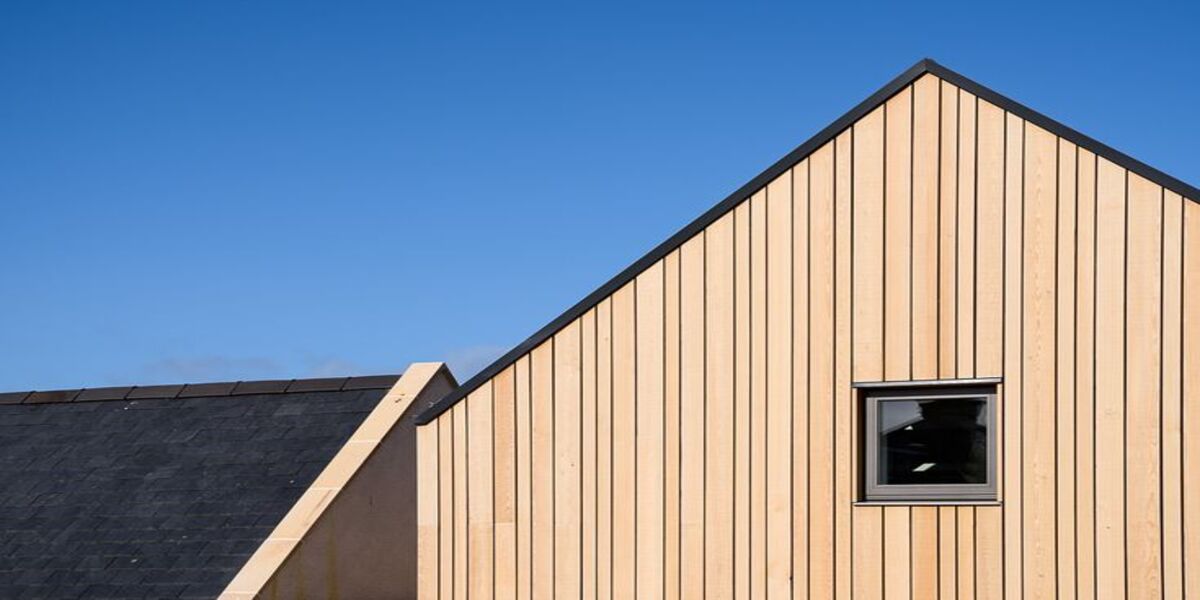
When it comes to enhancing the aesthetic appeal and durability of your home’s exterior, wood cladding stands as a premier choice. Wood cladding offers a natural, warm, and welcoming look, combined with robust performance against the elements. In this article, we will explore the top exterior wood cladding choices, providing detailed insights into their characteristics, benefits, and maintenance requirements.
Table of Contents
1. Cedar Wood Cladding
Cedar wood cladding is highly regarded for its rich color variations and natural resistance to decay and insects. This makes it an excellent choice for exterior applications.
Characteristics and Benefits
- Durability: Cedar is naturally resistant to rot, decay, and insect attacks, ensuring a longer lifespan.
- Aesthetic Appeal: Cedar offers a beautiful, natural look with rich, warm colors that can range from light amber to deep reddish-brown.
- Insulation Properties: Cedar wood provides good thermal insulation, helping to maintain a consistent indoor temperature.
- Workability: It is easy to work with, allowing for a variety of finishes and treatments.
Maintenance
To maintain its appearance and longevity, cedar wood cladding requires regular maintenance. This includes:
- Applying sealant or stain every 2-3 years.
- Cleaning to remove dirt and mildew.
- Inspecting for any signs of wear or damage.
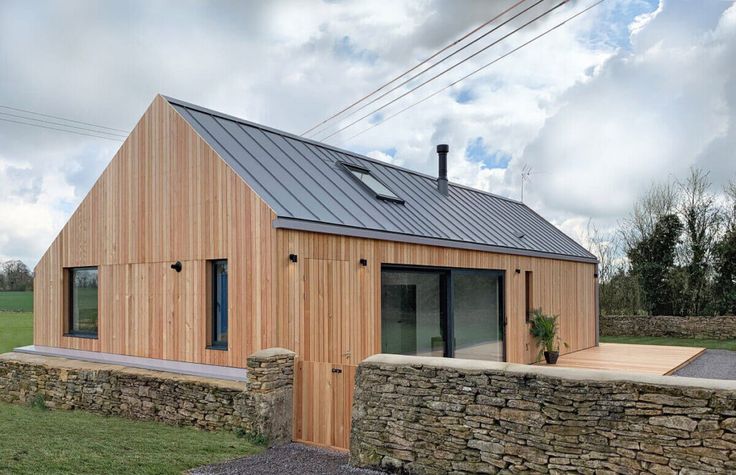
2. Redwood Cladding
Redwood cladding is another popular choice due to its natural beauty and durability. Known for its striking red hues, redwood offers a unique aesthetic appeal.
Characteristics and Benefits
- Natural Beauty: The rich red tones and natural grain patterns of redwood make it visually appealing.
- Stability: Redwood has a high dimensional stability, meaning it is less likely to warp or shrink.
- Decay Resistance: Similar to cedar, redwood is naturally resistant to decay and insect damage.
- Sustainability: Many redwood suppliers adhere to sustainable forestry practices, making it an eco-friendly option.
Maintenance
Redwood cladding requires periodic maintenance to preserve its color and integrity:
- Applying a clear finish or stain to protect against UV damage and moisture.
- Regular cleaning to prevent the buildup of dirt and algae.
- Inspecting and repairing any damaged sections promptly.
3. Pine Wood Cladding
Pinewood cladding is a cost-effective and versatile option. It is often chosen for its availability and ease of installation.
Characteristics and Benefits
- Affordability: Pine is generally more affordable than other types of wood cladding.
- Versatility: It can be treated and painted in various colors to match different architectural styles.
- Softwood: Being a softwood, pine is easier to work with and install.
- Treatability: Pine can be pressure-treated to enhance its resistance to decay and insects.
Maintenance
To ensure longevity, pine cladding requires consistent maintenance:
- Regular painting or staining to protect against moisture and UV rays.
- Monitoring for signs of wear and promptly addressing any issues.
- Ensuring proper ventilation to prevent moisture buildup behind the cladding.
4. Larch Wood Cladding
Larch wood cladding is known for its exceptional hardness and natural resistance to the elements. It offers a distinct look with its fine, tight grain and warm hues.
Characteristics and Benefits
- Hardness: Larch is one of the hardest softwoods, providing excellent durability.
- Natural Durability: It has a high resistance to rot and insect damage, making it ideal for exterior use.
- Attractive Appearance: Larch has a fine grain and warm, golden-brown color that weathers to a beautiful silver-grey over time.
- Sustainability: It is often sourced from sustainably managed forests.
Maintenance
Larch wood requires minimal maintenance, making it a low-maintenance option:
- Periodic cleaning to remove surface dirt and mildew.
- Apply oil or stain to maintain its color, if desired.
- Inspecting for any structural issues and addressing them as needed.
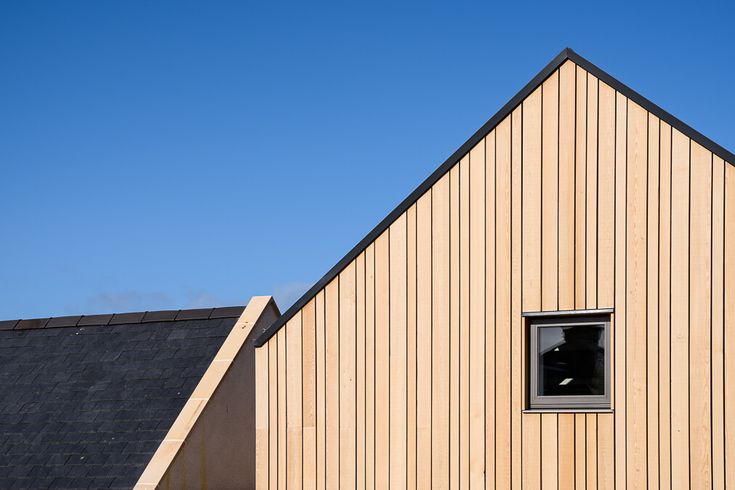
5. Thermally Modified Wood Cladding
Thermally modified wood cladding involves treating wood at high temperatures to improve its durability and stability. This process makes the wood more resistant to moisture and decay.
Characteristics and Benefits
- Enhanced Durability: The thermal modification process increases the wood’s resistance to rot, decay, and insects.
- Dimensional Stability: Thermally modified wood is less prone to warping, shrinking, or swelling.
- Eco-Friendly: The process is chemical-free, making it an environmentally friendly choice.
- Aesthetic Versatility: It can be sourced from various wood species, offering a range of colors and grains.
Maintenance
While thermally modified wood is low maintenance, it still requires some care:
- Occasional cleaning to maintain its appearance.
- Applying a UV-protective finish if you wish to preserve its original color.
- Monitoring for any signs of damage or wear.
6. Accoya Wood Cladding
Accoya wood cladding is produced through a process called acetylation, which alters the wood at a molecular level to improve its performance and stability.
Characteristics and Benefits
- Superior Durability: Accoya wood is highly resistant to rot, decay, and insect damage.
- Dimensional Stability: It offers exceptional stability, making it less likely to warp or swell.
- Sustainability: Accoya wood is sourced from fast-growing, sustainably managed forests.
- Long Lifespan: With proper care, Accoya cladding can last for decades.
Maintenance
Accoya wood cladding requires minimal maintenance:
- Cleaning to remove dirt and grime.
- Applying a protective finish to enhance its longevity and appearance.
- Regular inspections to identify and address any potential issues.
7. Composite Wood Cladding
Composite wood cladding combines wood fibers and plastic to create a durable, low-maintenance exterior cladding option.
Characteristics and Benefits
- Low Maintenance: Composite cladding requires very little upkeep compared to natural wood.
- Durability: It is resistant to rot, decay, and insect damage.
- Aesthetic Flexibility: Available in a variety of colors and finishes, it can mimic the look of natural wood.
- Environmental Impact: Many composite cladding products are made from recycled materials, making them eco-friendly.
Maintenance
Composite wood cladding is virtually maintenance-free, but some care is needed:
- Periodic cleaning to remove dirt and debris.
- Inspecting for any signs of damage and making necessary repairs.
- Following the manufacturer’s guidelines for any additional care.
Conclusion
Choosing the right exterior wood cladding for your home involves considering factors such as durability, aesthetic appeal, maintenance requirements, and environmental impact. Each type of wood cladding offers unique benefits, ensuring that there is a perfect option for every homeowner’s needs and preferences.