If you smoke and you are missing one or more teeth, you have probably already come across some version of this warning: smoking and dental implants do not mix. Some sources say smokers cannot get implants at all. Others say the risk is too high to make implants worthwhile. And some providers decline to place implants in patients who smoke without much further explanation.
Table of Contents
- Why Smoking Affects Dental Implants
- What the Research Shows About Implant Failure in Smokers
- The Critical Window: Smoking and the Healing Period
- Does Smoking Rule Out Implants Entirely?
- Other Factors That Interact With Smoking Risk
- What Smokers Should Do Before Pursuing Implants
- Implant Alternatives Worth Knowing About
- FAQs
- Thinking About Dental Implants as a Smoker?
The reality is more nuanced than a blanket yes or no. Smoking does affect dental implant outcomes. The research is clear on that. But the picture is more specific than most patients realize, and understanding exactly what the risk involves, and what can be done about it, gives smokers a much more useful basis for making an informed decision than a simple warning ever could.
So here is what the research actually says.
Why Smoking Affects Dental Implants
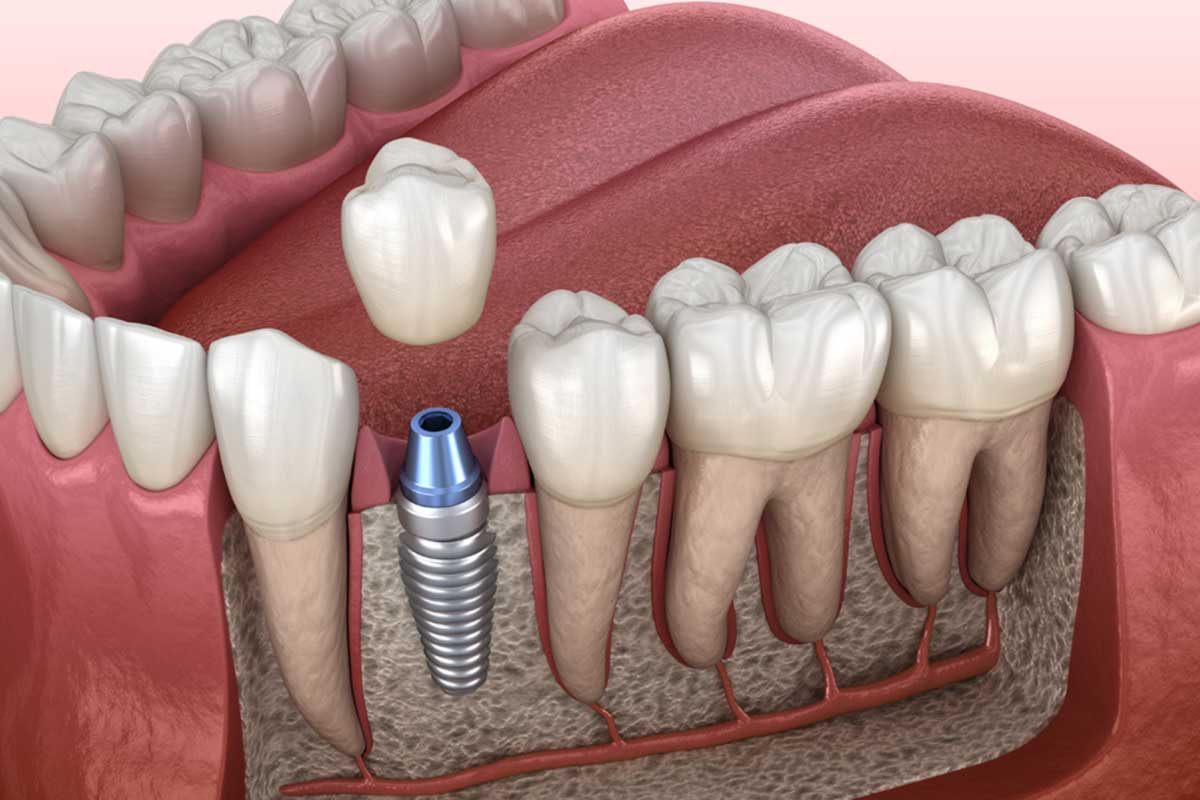
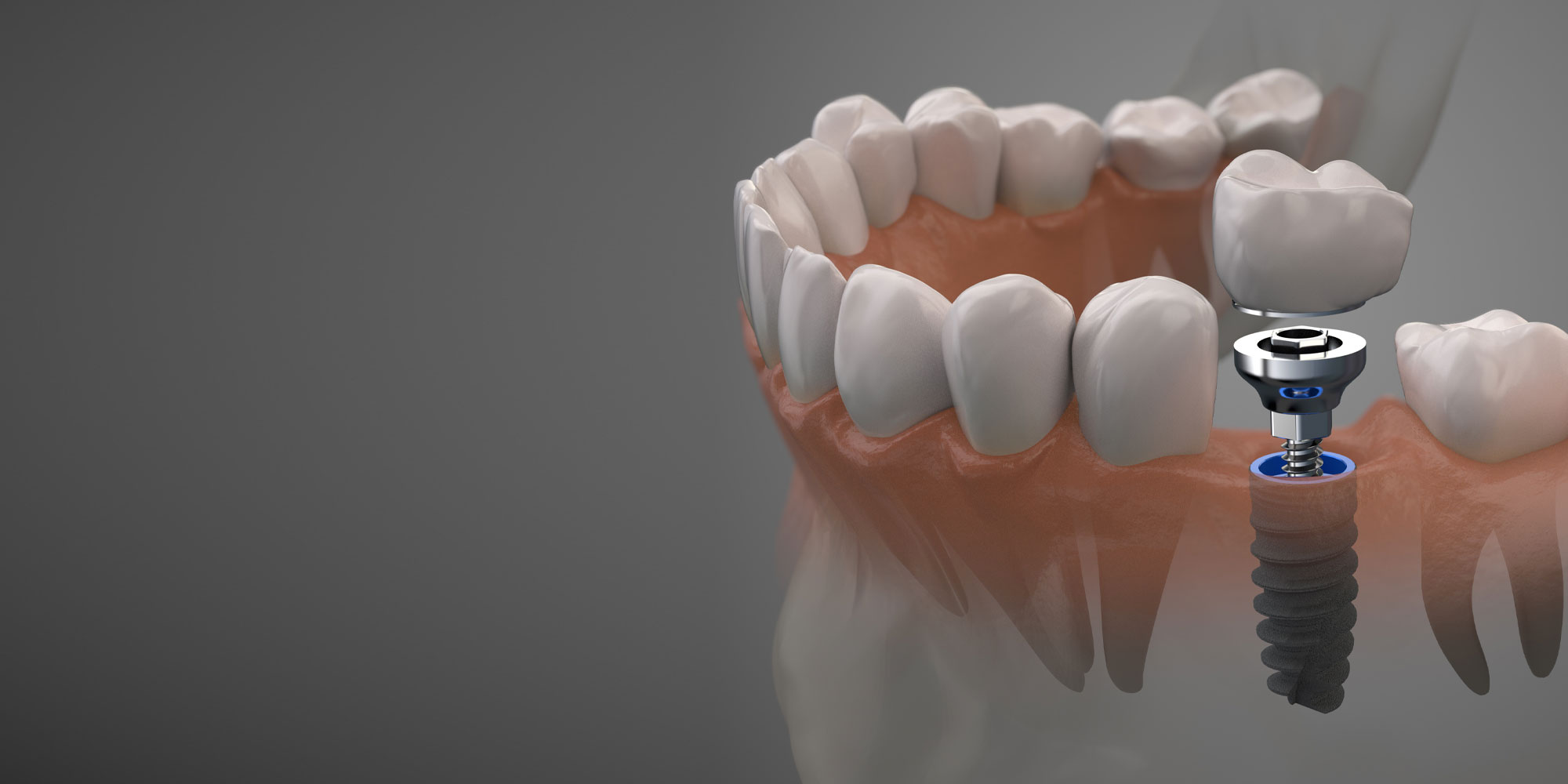
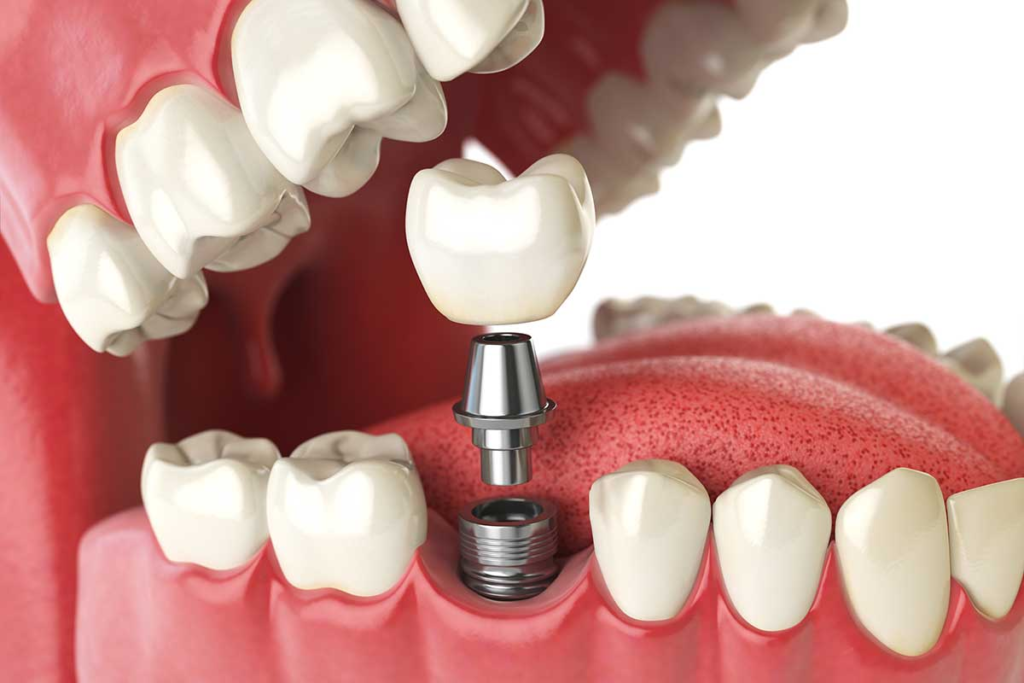
To understand how smoking affects implant outcomes, it helps to understand what makes implants succeed in the first place. A dental implant in Agoura Hills works by integrating with the surrounding jawbone through a biological process called osseointegration. The titanium post placed into the bone during surgery gradually fuses with the bone tissue over the following weeks and months, becoming a stable, permanent anchor for the crown placed on top.
This healing process depends heavily on good blood supply to the surgical site. Adequate circulation delivers the oxygen, nutrients, and immune cells that bone tissue needs to heal properly and integrate with the implant surface. Anything that compromises circulation at the surgical site compromises the healing process.
Smoking does exactly this. Nicotine causes blood vessels to constrict, reducing blood flow to the tissues surrounding the implant. Carbon monoxide in cigarette smoke displaces oxygen in the blood, further reducing the oxygen available to healing tissue. Smoking suppresses immune function, reducing the body’s ability to respond to the normal bacterial load in the mouth during the post-surgical period.
The combined effect is a healing environment that is measurably less favorable for osseointegration than that of a non-smoker. The implant is doing the same job in a body that is less well equipped to support it.
What the Research Shows About Implant Failure in Smokers
Clinical studies on implant outcomes in smokers consistently show higher failure rates compared to non-smokers, though the absolute numbers vary between studies depending on patient populations, implant types, and follow-up periods.
The research broadly indicates that smoking roughly doubles the risk of implant failure compared to non-smoking. Studies also show that smokers experience higher rates of peri-implantitis, an inflammatory condition affecting the tissue and bone around an implant that is one of the leading causes of late implant failure.
Importantly, the research also shows that the risk is not uniform across all smokers. Heavy smokers, those who smoke more than a pack a day, show significantly higher failure rates than light smokers. Smokers who quit before implant placement show failure rates closer to non-smokers than to continuing smokers. And smokers who follow post-surgical instructions carefully, including refraining from smoking during the critical early healing period, achieve better outcomes than those who continue smoking throughout recovery.
This is what the research actually says. Not that smokers cannot get implants. But that smoking increases the risk, that the degree of increase is related to how much and how consistently a patient smokes, and that choices made around the time of surgery significantly affect where an individual patient’s outcome falls within that range.
The Critical Window: Smoking and the Healing Period
If there is one piece of information that matters most for smokers considering implants, it is this: the early healing period after surgery is when smoking does the most damage.
The first two weeks after implant placement are when the initial biological integration begins. This is when the body is most dependent on adequate blood supply, oxygen delivery, and immune response to establish the conditions for successful osseointegration. Smoking during this window has a disproportionately negative effect on outcomes compared to smoking at other times.
Most experienced implant providers strongly advise patients to stop smoking for at least two weeks before implant surgery and for a minimum of eight weeks after. Some providers extend this recommendation to three months post-surgery to cover the full primary osseointegration period.
Patients who follow this guidance consistently achieve better outcomes than those who continue smoking throughout the surgical and healing period. For smokers who are genuinely motivated to make implants work, this window of cessation is the single most impactful thing they can do to improve their odds.
Does Smoking Rule Out Implants Entirely?
No. Smokers receive dental implants successfully every day. The higher risk associated with smoking means that patient selection, surgical planning, and post-operative care all need to be managed more carefully, not that implants are off the table entirely.
What it does mean is that honesty at the consultation stage matters. A provider who knows a patient smokes can factor that into the treatment plan. They can discuss the specific risks, set realistic expectations, recommend the pre and post-surgical cessation window, and monitor healing more closely during the recovery period.
A provider who places implants in a smoker without discussing the elevated risk or modifying their approach accordingly is not giving the patient the care the situation requires.
Other Factors That Interact With Smoking Risk
Smoking does not operate in isolation when it comes to implant risk. Several other factors interact with it in ways that affect where an individual patient’s risk profile actually sits.
Bone density is one. Smokers tend to have lower bone density than non-smokers over time, which affects the initial stability of the implant at placement. Patients with significant bone loss may need bone grafting before implant placement, which adds a healing phase during which smoking cessation is equally important.
Gum health is another. Smokers have significantly higher rates of gum disease than non-smokers, and active gum disease needs to be resolved before implants can be placed. Treating periodontal disease in a patient who continues smoking is more challenging because smoking impairs the healing response that periodontal treatment relies on.
Systemic health conditions that are more common in long-term smokers, such as cardiovascular disease and diabetes, also interact with implant risk in ways that need to be assessed individually at the consultation stage.
What Smokers Should Do Before Pursuing Implants
For smokers who want dental implants and are serious about making them work, a few practical steps make a meaningful difference.
Have an honest conversation with your implant provider about your smoking habits before treatment begins. The more accurate the information your provider has, the better equipped they are to plan your treatment appropriately and manage your expectations realistically.
Commit to the pre and post-surgical cessation window. Stopping smoking for two weeks before surgery and at minimum eight weeks after is the most evidence-supported intervention for improving implant outcomes in smokers. Using nicotine replacement therapies during this period is generally preferable to continuing to smoke, though this should be discussed with your provider.
Address any existing gum disease before implant placement. Periodontal treatment in the months before implant surgery reduces the bacterial load and improves the tissue health that osseointegration depends on.
Follow post-operative instructions precisely. Smokers who are meticulous about post-surgical care, avoiding smoking, following oral hygiene instructions, and attending all follow-up appointments consistently achieve better outcomes than those who are less compliant, regardless of their smoking history.
Implant Alternatives Worth Knowing About
For smokers who are not ready or able to stop smoking during the healing period and are concerned about the elevated risk, it is worth having a broader conversation about tooth replacement options at the consultation stage.
All-on-4 implants or All-on-6 implants are sometimes considered for smokers with multiple missing teeth because the treatment parameters can be adapted in ways that account for higher risk profiles. Implant supported dentures offer another option that combines some of the stability benefits of implant treatment with a treatment approach that may be more manageable for certain high-risk patients.
The right option depends on the individual clinical picture, and an experienced provider who takes the time to discuss all available options is one worth trusting with that conversation.
FAQs
Can smokers get dental implants?
Yes. Smoking increases the risk of implant failure but does not make implants impossible. Many smokers receive implants successfully, particularly those who stop smoking during the critical healing period and follow post-operative instructions carefully.
How long should I stop smoking before and after implant surgery?
Most providers recommend stopping at least two weeks before surgery and for a minimum of eight weeks after. Some extend this recommendation to three months to cover the full primary osseointegration period.
Does smoking cause dental implants to fail?
Smoking increases the risk of failure but does not guarantee it. The degree of risk is related to how much a patient smokes and whether they stop during the healing period. Smokers who follow cessation guidance achieve meaningfully better outcomes than those who continue smoking throughout recovery.
What is peri-implantitis and are smokers at higher risk?
Peri-implantitis is an inflammatory condition affecting the tissue and bone around an implant. Smokers are at significantly higher risk than non-smokers and should attend regular monitoring appointments after implant placement to catch any early signs of this condition.
Should I tell my dentist I smoke before getting implants?
Absolutely. Your provider needs accurate information about your smoking habits to plan your treatment appropriately, discuss realistic risks and expectations, and modify their approach in ways that give your implants the best possible chance of long-term success.
Thinking About Dental Implants as a Smoker?
The most important first step is an honest consultation with an experienced implant provider who takes the time to assess your specific situation, discuss the risks clearly, and give you a treatment plan built around what your case actually requires.